How Weather Exposure Impacts Residential Stamped Concrete Surfaces
Homeowners seeking residential stamped concrete repair can benefit from local contractors who specialize in restoring surfaces affected by weather exposure, ensuring durability and appearance.
Understanding how weather exposure impacts residential stamped concrete surfaces is essential for property owners looking to maintain the beauty and durability of their outdoor spaces. In areas with varied weather patterns, factors like temperature fluctuations, moisture, and UV rays can influence the longevity of stamped concrete, leading to issues such as cracking, fading, or surface deterioration over time. Exploring this topic can help homeowners recognize the importance of proper installation, sealing, and repair practices, ensuring their stamped concrete remains resilient against the elements.
For those considering repairs or updates to their stamped concrete, connecting with experienced local contractors can make a significant difference. These service providers understand the specific weather-related challenges faced in the area and can recommend effective solutions to protect and restore stamped surfaces. Whether addressing minor damages or planning for future enhancements, property owners can find trusted professionals equipped to handle the effects of weather exposure, helping their outdoor spaces stay attractive and functional for years to come.
- Residential stamped concrete repair - homeowners noticing surface damage or color fading due to weather exposure can rely on local contractors to assess and restore their surfaces.
- Stamped concrete surface cracking - when cracks develop from freeze-thaw cycles or moisture infiltration, local pros can perform repairs to reinforce and protect the surface.
- Color deterioration on stamped concrete - local service providers can address fading or discoloration caused by sun and rain exposure through specialized refinishing techniques.
- Surface spalling or pitting - weather-related wear can cause concrete to chip or develop pits, and local contractors can restore the integrity of the stamped surface.
- Efflorescence or staining issues - moisture exposure can lead to mineral deposits or stains, with local pros offering cleaning and sealing solutions to improve appearance and durability.
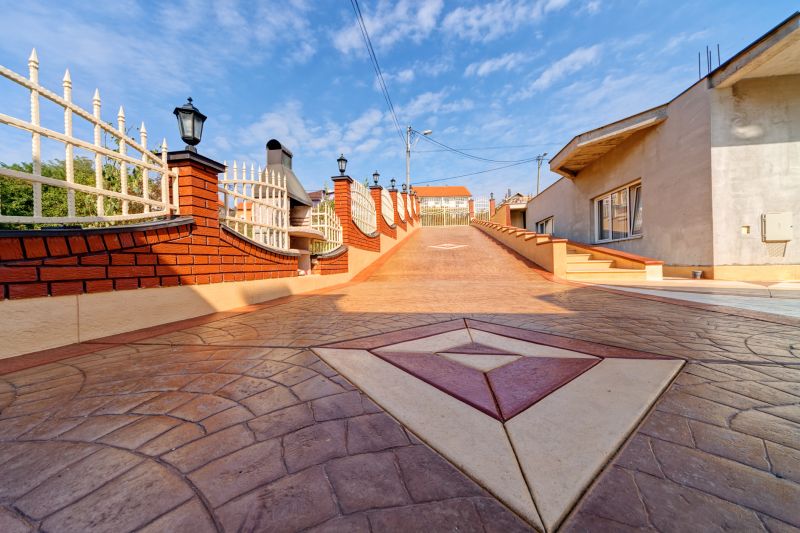
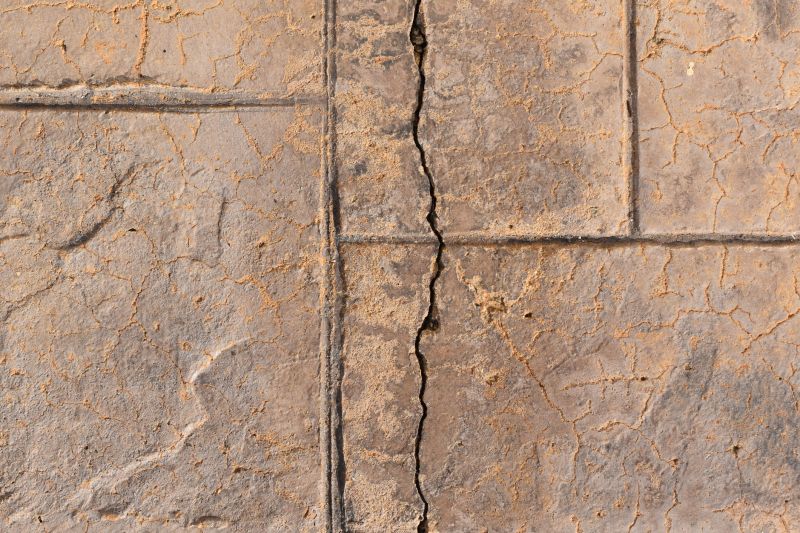
Understanding how weather exposure impacts residential stamped concrete surfaces is a common concern among homeowners planning to install or maintain decorative concrete in their yards and driveways. When searching this topic, many are looking for insights into how various weather conditions-such as rain, snow, heat, and humidity-can affect the durability and appearance of stamped concrete over time. Homeowners often want to know whether their climate will lead to cracking, fading, or surface deterioration, and how these factors might influence their long-term investment in decorative concrete features.
The issues related to weather exposure typically tie into plans for installing new stamped concrete or repairing existing surfaces that have suffered damage or wear. For example, homeowners may notice cracks or surface discoloration after heavy storms or prolonged exposure to direct sunlight. These problems can compromise the aesthetic appeal and structural integrity of stamped concrete, prompting a need for repairs or protective measures. Understanding how weather impacts these surfaces helps property owners make informed decisions about maintenance, sealing, and repairs to extend the lifespan of their decorative concrete features.
Properties that commonly come up in discussions about weather effects on stamped concrete include residential driveways, patios, walkways, and pool decks. These areas are directly exposed to the elements and often experience the most significant weather-related wear and tear. Homes in regions with harsh winters, frequent rain, or intense sun are particularly concerned about issues like surface cracking, color fading, and surface erosion. Local service providers who specialize in stamped concrete repair are often called upon to address these weather-related problems, whether through resurfacing, sealing, or reinforcing existing surfaces to better withstand the elements.
For homeowners facing weather-related challenges with stamped concrete, understanding the role of local pros is essential. These specialists can assess how weather exposure has impacted a surface and recommend tailored solutions to repair damage or improve resilience. Proper sealing, crack repair, and surface treatments provided by experienced contractors help protect stamped concrete from future weather-related issues. Connecting with local experts ensures that projects are handled with knowledge of regional weather patterns, ultimately helping property owners preserve the beauty and functionality of their decorative concrete surfaces over time.
Patio and Walkway Installations - These projects require planning for weather conditions that can affect concrete curing and finishing, making them relevant to understanding weather impacts on stamped concrete surfaces.
Driveway Resurfacing - Local contractors experienced in driveway repair often deal with surface deterioration caused by weather exposure, similar to issues faced by stamped concrete surfaces.
Concrete Sealing and Coating - Applying protective layers involves knowledge of weather conditions that influence adhesion and durability, which is essential when addressing weather-related damage.
Outdoor Living Space Construction - Building features like patios or fire pits requires planning for weather factors that can affect concrete integrity and aesthetic longevity.
Concrete Repair and Restoration - Repair projects often focus on fixing damage caused by weather exposure, making the skills applicable to restoring stamped concrete surfaces impacted by the elements.
Stamped Concrete Patterning - Techniques used in decorative stamping demand awareness of weather conditions to ensure patterns are accurately applied and long-lasting under varying weather influences.
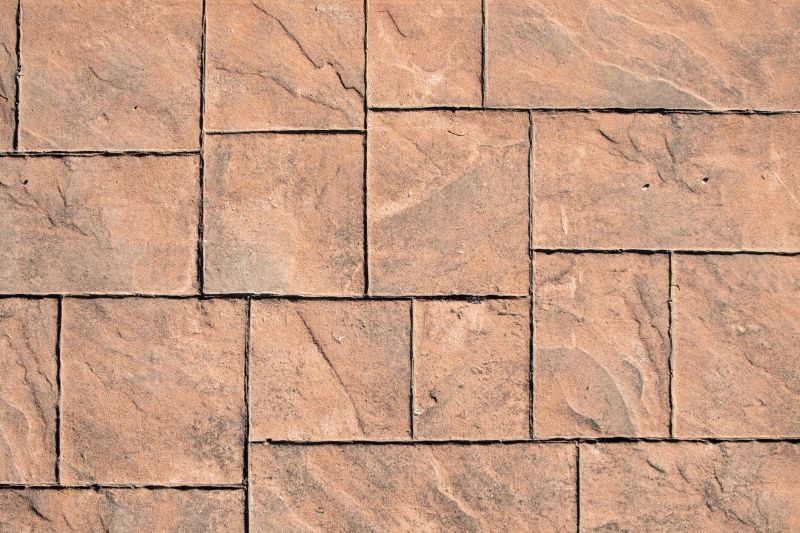
When evaluating contractors for residential stamped concrete repair, it is important to consider their experience with similar projects, particularly those involving weather-related impacts. Service providers with a history of working on stamped concrete surfaces exposed to various weather conditions can better understand how factors like temperature fluctuations, moisture, and UV exposure influence the durability and appearance of the concrete. Asking for examples of past projects or references can provide insight into their familiarity with weather-related challenges and their ability to deliver results that stand up to local climate variations.
Clear communication of expectations is essential when discussing how weather exposure impacts residential stamped concrete surfaces. Homeowners should seek service providers who can clearly explain the scope of work, including how weather conditions might affect repair strategies and long-term performance. A reputable contractor will outline what repairs are feasible, what weather-related limitations exist, and how ongoing maintenance can help mitigate future weather-related damage. This transparency helps ensure that homeowners have a realistic understanding of the repair process and the factors that influence the longevity of their stamped concrete surfaces.
Good communication and reputable references are key indicators of a dependable contractor capable of handling weather-related issues with stamped concrete. Service providers who are responsive and willing to answer questions about how weather exposure impacts concrete surfaces demonstrate professionalism and a commitment to quality. Additionally, references from previous clients can reveal how well a contractor manages weather-related challenges and whether their work has endured local environmental conditions. Choosing a contractor with a solid reputation and clear communication can help ensure that residential stamped concrete repairs are performed effectively, addressing weather-related concerns and supporting the surface’s ongoing performance.
Property owners often search for how weather exposure impacts residential stamped concrete surfaces when they are planning practical projects around their homes and businesses. Local pros provide Residential Stamped Concrete Repair services for everyday jobs and straightforward project options.
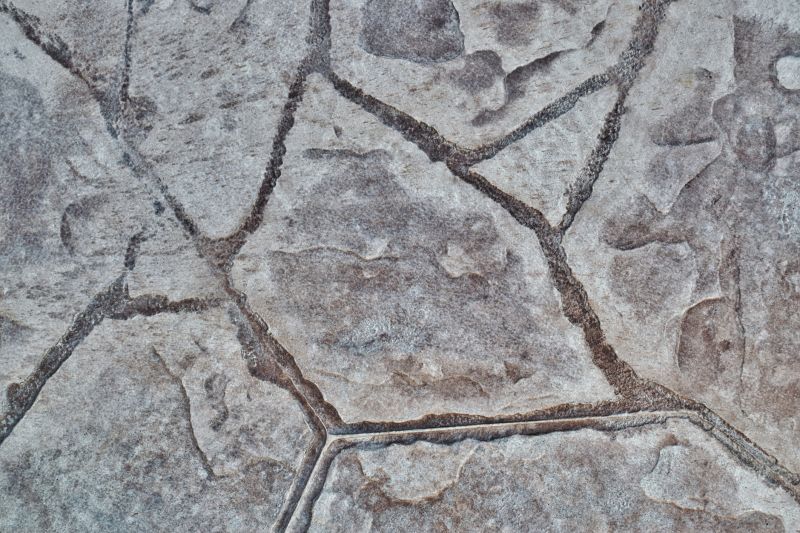
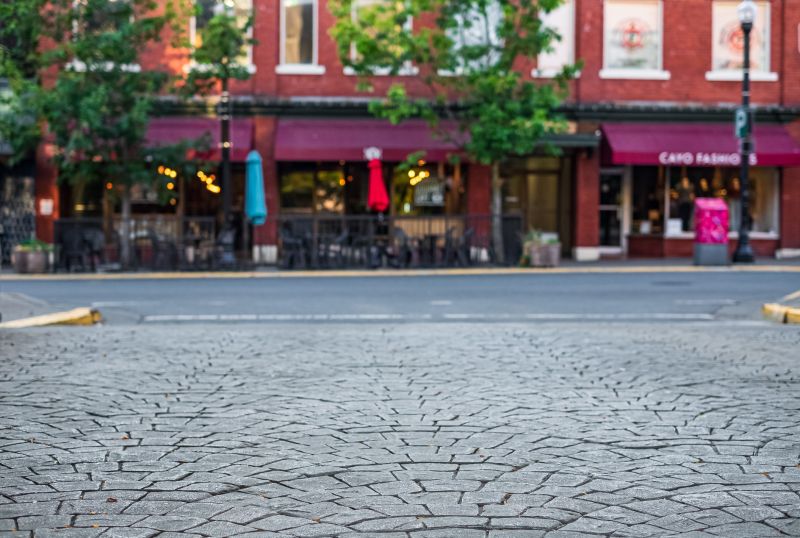
Weather exposure can significantly affect the durability and appearance of residential stamped concrete surfaces. In areas with frequent temperature fluctuations, moisture, or direct sunlight, concrete can develop cracks, surface pitting, or color fading over time. Property owners often seek insights into how these weather-related factors might impact their stamped concrete, especially if they notice signs of wear or damage after seasonal changes. Local contractors experienced in stamped concrete repair are equipped to evaluate these issues and recommend appropriate solutions to restore the surface’s aesthetic appeal and structural integrity.
Understanding how weather exposure influences stamped concrete helps property owners make informed decisions about repairs and maintenance. Common weather-related problems such as freeze-thaw damage or sun-induced fading can compromise the surface, leading to the need for professional repair services. Local service providers specializing in stamped concrete repair can address these concerns by restoring the surface’s appearance and preventing further deterioration. For those noticing early signs of weather-related damage, consulting with local contractors can ensure the stamped concrete remains durable and attractive for years to come.
How does weather exposure affect the durability of residential stamped concrete surfaces? Weather conditions such as freeze-thaw cycles, heavy rain, and intense sunlight can cause cracks, surface erosion, and color fading in stamped concrete. Local contractors can assess and repair weather-related damage to restore the surface’s integrity.
Can weather exposure lead to surface discoloration or staining on stamped concrete? Yes, exposure to moisture, UV rays, and temperature fluctuations can cause discoloration or staining over time. Experienced service providers can perform cleaning and sealing to protect against weather-induced color changes.
What types of damage from weather exposure are common on stamped concrete surfaces? Common issues include cracking, spalling, surface scaling, and color fading. Local pros can identify weather-related damage and recommend appropriate repair methods to extend the surface’s lifespan.
How do weather conditions impact the need for stamped concrete repairs? Severe weather can accelerate wear and tear, leading to more frequent repairs. Skilled contractors can address weather-related damage promptly to maintain the appearance and functionality of stamped concrete.
What preventive measures can be taken to minimize weather impact on stamped concrete surfaces? Proper sealing, drainage, and protective coatings can reduce weather-related damage. Local service providers can advise on and apply these protective measures to help preserve stamped concrete surfaces.
Protective Sealants - Applying a high-quality sealant can help residential stamped concrete surfaces resist weather-related damage and extend their lifespan. Local contractors can assist in choosing and applying the right protective coatings for varying weather conditions.
Surface Repairs - Cracks and surface wear caused by weather exposure can be addressed through professional stamped concrete repairs, restoring both appearance and structural integrity. Local service providers can evaluate weather-related damage and recommend suitable repair solutions.
Proper Drainage Solutions - Ensuring effective drainage around stamped concrete surfaces can prevent water pooling and reduce weather-related deterioration. Local contractors can install or improve drainage systems to protect concrete from weather impacts.
Seasonal Maintenance Tips - Regular maintenance, such as cleaning and resealing before harsh weather seasons, can minimize weather exposure effects on stamped concrete surfaces. Local pros can provide guidance on seasonal care to preserve surface quality.
If you are thinking about how weather exposure impacts residential stamped concrete surfaces for a property, this guide is meant to help you understand this topic, the typical project types, and how different options might fit your plans.
When you are ready, you can use the quote form on this page to share a few details about your project. From there, local pros can review the basics and follow up with options that match what you have in mind.